
You rub your eyes after a few pages of reading. Your neck aches by mid-afternoon, and car rides leave you queasy. These frustrations can add up, and they might point to something your eyes are quietly struggling with.
Binocular vision dysfunction, or BVD, happens when your eyes send mismatched images to your brain, forcing it to work overtime to line them up.
Your brain wants one clear picture. When your eyes fall out of alignment, even by a tiny amount, it strains to merge two views into one. That constant effort can wear you down through the day.
The effects reach further than you’d expect. Reading gets harder because words drift or blur. Driving feels tense, especially at night. Even your balance can suffer, leaving you unsteady on stairs or clumsy in crowded spaces.
Common Signs and Symptoms to Watch For
BVD shows up differently from person to person. Some notice it in their body. Others notice it in their reading or focus. Here’s what to watch for in both categories.
Physical and Balance Signs
Your body often signals the strain before you connect it to your eyes. Pay attention if these feel familiar:
- Headaches
- Neck pain
- A habit of tilting your head
- Dizziness, motion sickness, or feeling clumsy
- Frequent trips or falls
Visual and Reading Signs
Other signs show up when you focus on a task, and they tend to hit hardest during long reading sessions or busy drives:
- Blurred or double vision
- Light sensitivity
- Glare at night
- Skipping lines or losing your place on the page
What Leads to Binocular Vision Dysfunction
BVD usually traces back to a small alignment problem between your eyes. The gap can be so slight you never notice it directly, yet your brain feels every bit of the extra work.
A few things can cause it. A minor eye misalignment is the most common source. Concussions and other head injuries can affect how your eyes coordinate. Inherited traits and facial asymmetry can play a role too, which is why some families see it show up across generations.
Why BVD Gets Mistaken for Other Conditions
BVD wears a lot of disguises. Headaches and dizziness can look like migraines. Tension and unease can feel like anxiety, and that overlap sends many people down the wrong path for years.
Kids run into misdiagnoses too. Trouble reading and staying focused can look like dyslexia or ADHD, when the real issue sits in how their eyes team up. A child who skips lines or avoids books might be fighting through blurred or doubled words.
Identifying BVD as the source means you can treat the real problem instead of managing symptoms that keep resurfacing.
How We Diagnose and Treat BVD
Getting answers starts with a closer look at how your eyes move and focus together, since a standard vision screening can miss BVD entirely.
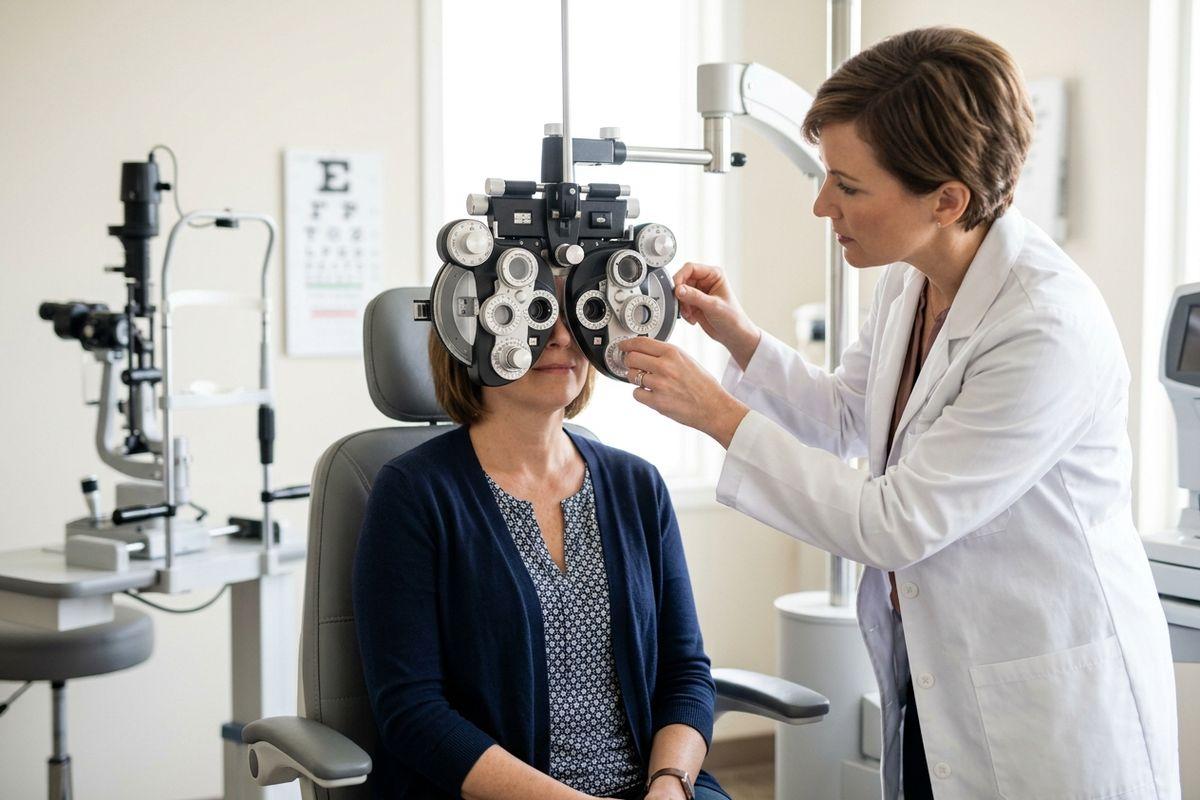
Exams for BVD
The exam checks eye movement, focusing ability, and balance to spot small alignment issues a basic test overlooks. You can have BVD even with 20/20 vision, since sharp eyesight and eye teamwork are two different things.
Treatment Options
Once your optometrist understands your alignment, they can build a plan around it. Custom prism lenses redirect incoming images so your eyes and brain see one steady picture with less strain. Vision therapy adds targeted exercises that support stronger eye and brain teamwork over time.
Ready to Get to the Bottom of Your Symptoms?
Small vision struggles don’t have to shape your days, and they definitely don’t have to stay a mystery. If any of these signs sound familiar, your eyes may be working a lot harder than they should be.
Prairie Vision can help you understand what your eyes are actually doing and build a plan that fits your family, not a generic checklist. Reach out today and schedule your comprehensive eye exam at Wainwright or Vermilion.