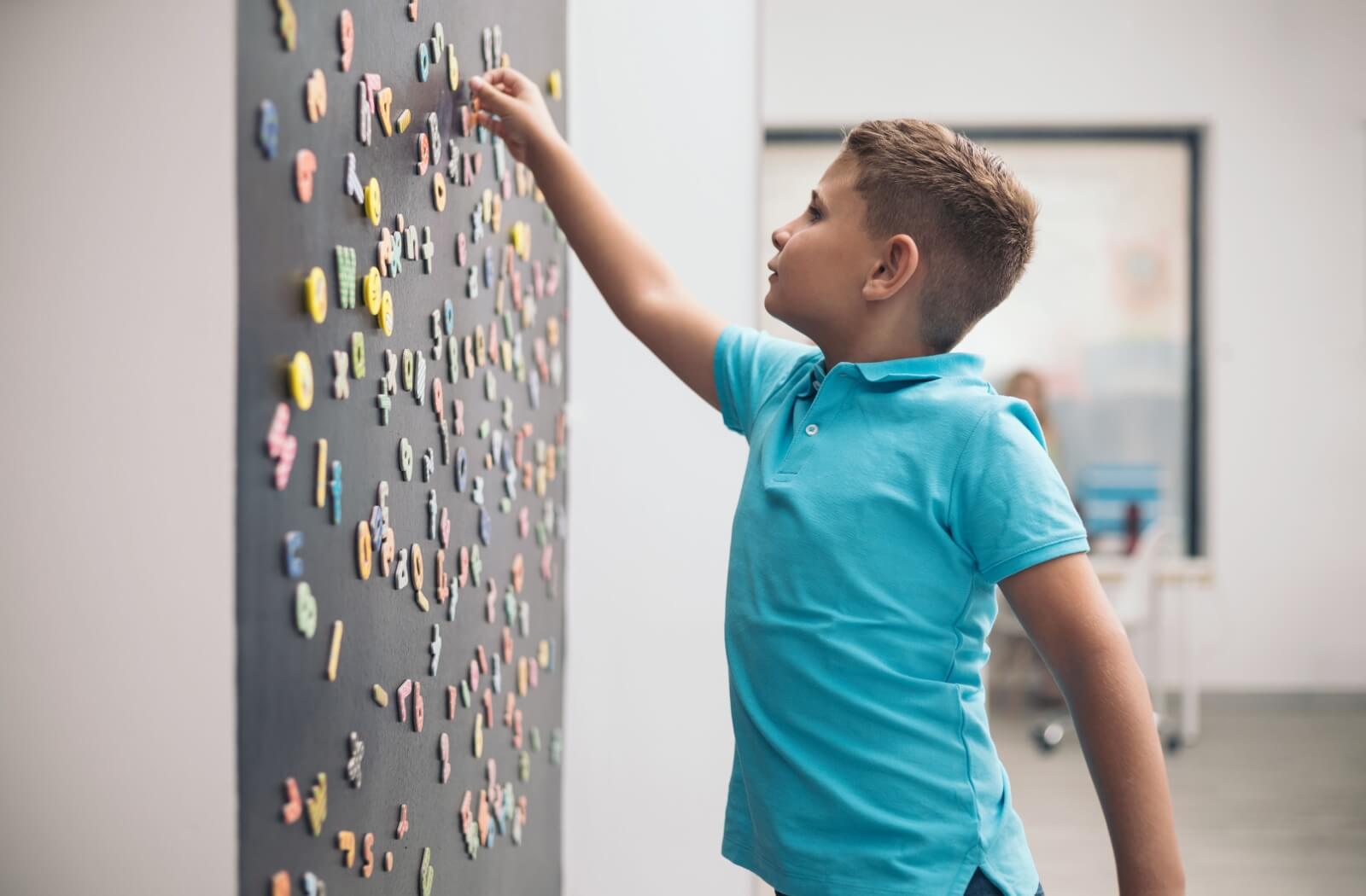
You use hand-eye coordination all day, every day. It’s the skill that helps your hands and eyes work together to pour your morning coffee, type an email, or drive your car.
If you feel like your coordination is a bit off, there’s good news. This is a skill you can build and sharpen at any age through simple, consistent practice. You just need the right activities to train your brain, eyes, and body to work as a team, which can sometimes be supported by vision therapy exercises.
What Affects Hand-Eye Coordination?
Several factors can affect how well your eyes guide your hands. Most often, it comes down to the communication between your brain, your eyes, and your muscles. When this connection is clear and strong, your movements are smooth and precise.
Vision Problems and Your Brain
Your brain depends on clear signals from your eyes to direct your movements. If your vision is blurry or your depth perception is off, your brain receives fuzzy information. This can make it difficult to judge distances and guide your hands accurately.
Certain Health Conditions and Age
Just like other physical skills, coordination can change as you get older. Some health conditions may also affect the communication pathways between your brain and muscles, which can sometimes lead to clumsiness or slower reaction times.
A Link Between Attention and Coordination
Sometimes, challenges with focus can make coordinated movements more difficult. When your mind feels scattered, it’s harder for your body to follow the precise instructions your brain is sending for a specific physical task.
Spot the Signs of Poor Coordination
You might notice a few subtle signs if your hand-eye coordination needs a little work. These can show up in everyday activities for both children and adults.
- Frequent clumsiness, like knocking over glasses or bumping into furniture
- Difficulty catching, throwing, or kicking a ball
- Messy or slow handwriting that takes a lot of effort
- Struggles with tasks that need fine motor skills, such as buttoning a shirt or using zippers
An eye exam can help identify if a vision issue is related to these patterns.
Simple Activities to Build Your Skills
You can improve your coordination with fun and simple exercises. The key is consistency—choose activities you enjoy and make them a regular part of your routine. Even a few minutes a day can help.
Play Catch or Bounce a Ball
Tossing a ball with a partner or bouncing it against a wall is a classic coordination builder. This activity trains your eyes to track a moving object and tells your hands exactly where to go to intercept it.
Try Juggling
Juggling might look complex, but you can start with the basics. Practice tossing and catching 1 or 2 beanbags or soft balls. This helps build rhythm and strengthens the connection between what you see and what your hands do.
Complete Puzzles and Play Video Games
Fitting puzzle pieces together helps refine your ability to match visual information with small, controlled hand motions. Many video games also require quick reactions and precise movements that can sharpen your skills, but remember to take breaks to avoid digital eye strain.
Hobbies That Boost Hand-Eye Coordination
Turning practice into a hobby is a fantastic way to stay motivated. Many enjoyable pastimes double as excellent coordination training, so you can have fun while you build your skills.
Get Creative with Arts and Crafts
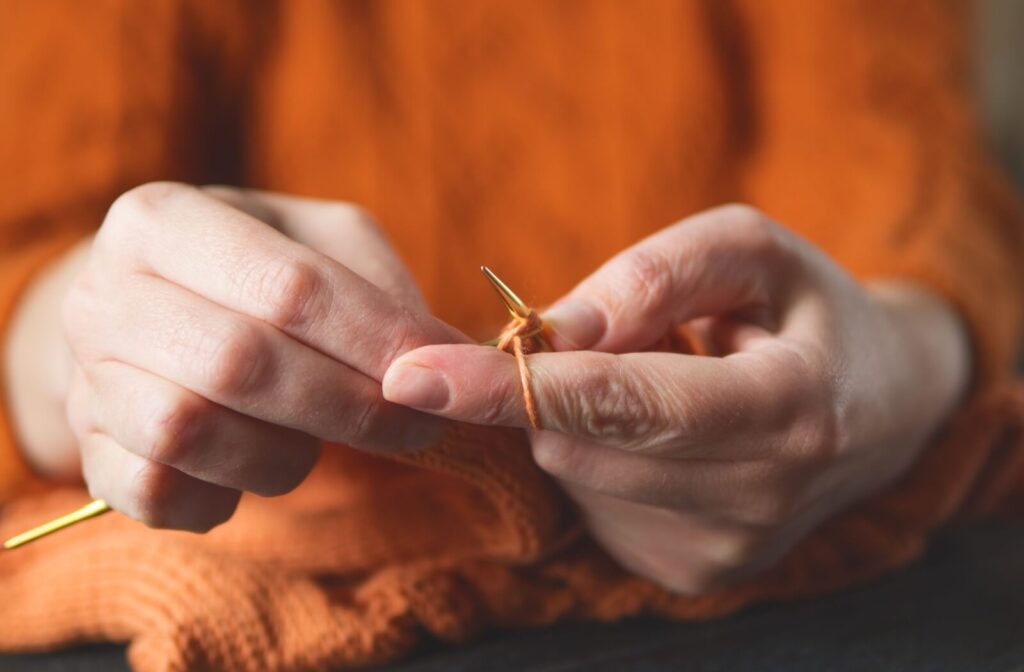
Activities like drawing, painting, knitting, or building models all require your eyes to guide your hands with great precision.
Practice a Musical Instrument
Playing the piano or guitar involves reading music—or watching your hands—and moving your fingers to the right place at the right time.
Take Up a Sport
Sports like tennis, baseball, and even swimming are great for developing full-body coordination and improving your overall reaction time. It is also important to use proper protective eyewear during these activities.
The Role of Vision in Your Coordination
Your vision is the starting point for nearly every coordinated movement you make. Without clear visual information, it’s difficult for your brain to send the correct signals to your muscles for smooth and accurate actions.
Why Clear Sight Matters
Accurate vision is the foundation of good coordination. If you can’t see an object clearly, you can’t react to it properly. An updated prescription for glasses or contacts can help your eyes send the sharpest picture possible to your brain.
Depth Perception and Focus
Your ability to judge how near or far away objects are—known as depth perception—is critical for everything from parking a car to catching a ball. Your eyes also need to focus quickly between different distances to keep up.
When to Schedule an Eye Exam
If you notice a sudden change in your coordination, an eye exam is a good first step. A thorough checkup with your local eye doctor in Wainwright and Vermilion can help determine if a vision problem is contributing to the issue.
We Can Help
Improving your hand-eye coordination is an achievable goal for anyone. By incorporating playful activities and hobbies into your life, you can strengthen the important connection between your eyes and your hands.
If you have concerns about how your vision might be impacting your coordination, our team at Prairie Vision is here to help. Schedule a comprehensive eye exam to support your visual health.